11/13/25
7 min
Hit and Run in Oregon: Guide to Recovery
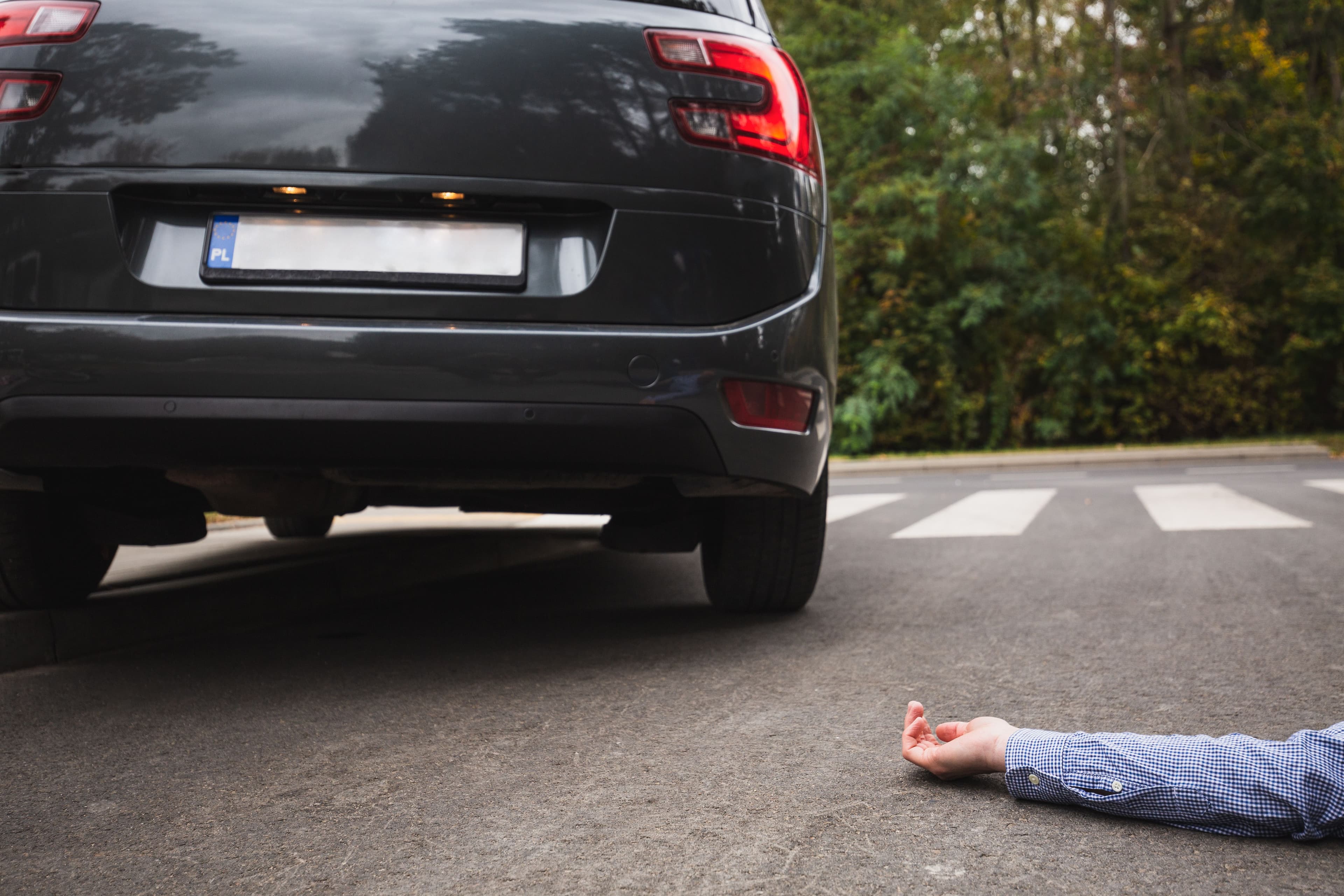
Table of Contents
Justice Simplified
Though motor vehicle accidents are a known danger on Oregon roadways, they still tend to come as a nasty surprise. Especially after the shock of a crash, it can be difficult to tell exactly what happened, but this makes it all the more important for accident victims to gather whatever evidence they can at the scene and get contact details from all involved drivers. But what if the at-fault driver is nowhere to be found? In that case, you may be a victim of a hit and run in Oregon.
What Is a Hit and Run in Oregon?
Oregon law requires drivers involved in an accident to remain at the scene until they have performed all the duties required of them. When drivers don’t follow this law and leave the accident scene before attending to their legal responsibilities, they have committed what’s known as a hit and run.
Is a Hit and Run a Felony in Oregon?
Yes, a hit and run is classified as a felony in Oregon provided that it involves injury to another person. Typically, a hit and run involving injury to another person is a Class C felony, which can result in a fine of up to $125,000 and even imprisonment for up to five years. However, in cases of a severe injury or death, a hit and run may be classified as a Class B felony, increasing the maximum possible fine up to $250,000 and the maximum possible term of imprisonment to ten years.
What Are a Driver's Responsibilities After an Accident?
Sometimes, a hit and run is a clear-cut case, but in other cases, it’s not so easy to tell if you are facing a hit and run. The key deciding factor is whether the other driver fulfilled all their legal responsibilities before leaving the scene. To help you determine whether or not you’ve been the victim of an Oregon hit and run, let’s break down exactly what these legal responsibilities are.
Driver’s Responsibilities to an Injured Person After Accident
If a driver is aware or has reason to believe that they may have been in a collision has the following responsibilities towards injured parties:
- To stop their vehicle as soon as possible and as close to the accident scene as they safely can.
- To make a reasonable effort to investigate what the vehicle struck without obstructing traffic more than necessary.
- To give the following information to any involved parties, or a police officer if none of said parties are in a condition to receive it:
- The driver’s name and address
- Legal name and address of the vehicle’s owner, if the driver does not own the vehicle
- The name and address of other vehicle occupants, if any
- The vehicle’s registration number
- The vehicle’s insurance policy number
- The name and phone number of the company insuring the vehicle
- Driver’s license number or other identification of driving privileges, if requested and available
- To assist any injured parties in good faith and to the best of their ability.
- To remain at the scene until all of the above requirements have been met.
If the driver only realizes after leaving the scene that their vehicle may have been involved in a crash which caused injury, they must make their best effort to meet whichever of the above requirements they can, as urgently as possible.
As mentioned previously, failure to meet these standards may be considered a Class C or Class B felony, depending on whether any party was killed due to the collision.
Driver's Responsibilities When Another Vehicle is Damaged in an Accident
The following requirements constitute a driver’s responsibility when someone else’s vehicle is damaged in an accident, assuming they are aware or have reason to believe that they were involved in said accident:
- To stop their vehicle as soon as possible and as close to the accident scene as they safely can.
- To make a reasonable effort to investigate what the vehicle struck without obstructing traffic more than necessary.
- To locate the owner, operator, or person attending the vehicle and give them the following information:
- The driver’s name and address
- Legal name and address of the vehicle’s owner, if the driver does not own the vehicle
- The name and address of other vehicle occupants, if any
- The vehicle’s registration number
- The vehicle’s insurance policy number
- The name and phone number of the company insuring the vehicle
- Driver’s license number or other identification of driving privileges, if requested and available
- If the damaged vehicle was unattended, in addition to the steps above, to leave a written notice in a noticeable location in the vehicle detailing both the driver and owner’s names and addresses, as well as the circumstances of the crash, the vehicle’s registration number, and the carrier, phone number, and policy number of the vehicle’s insurance policy.
- To remain at the scene until all of the above requirements have been met.
If the driver only realizes after leaving the scene that their vehicle may have been involved in a crash which caused injury, they must make their best effort to meet whichever of the above requirements they can, as urgently as possible.
Failure to meet these requirements may constitute a Class A misdemeanor.
What to Do If Victimized By a Hit and Run?
If you've been injured in a motor vehicle accident in Oregon and the other driver fled the scene, remain calm. You can still take the following steps to ensure safety and pursue justice:
- Navigate to a safe location if you can, and call for immediate medical help if necessary.
- Call the authorities immediately to make them aware of the accident.
- Write down or record in a video or voice note your recollection of what happened. It is especially important to mention any details you were able to notice about the other vehicle, such as license plate number, color, make, model, the direction it was going, and even any accessories like bumper stickers or hood ornaments.
- Record any evidence you can at the scene. This can include taking photos or videos of damage to the vehicle, your injuries or those of any passengers, and angles of the crash scene showcasing the accident location and any environmental conditions.
- Exchange contact information with any witnesses at the scene.
- Request a copy of the police report.
- Schedule a checkup with a medical professional, even if you don’t believe yourself to be injured.
For more detailed guidance, reference a car accident checklist.
What Next?
Taking the following steps above can help protect you from further disaster, but that doesn’t change the fact that you’ve likely suffered greatly due to this accident, including property damage, medical expenses, and pain and suffering. The good news is that you may be entitled to compensation for all of these damages and more—and you don’t have to fight for that compensation alone.
A hit and run is a good example of when to hire a personal injury attorney. A lawyer can help your case by helping gather evidence that might otherwise be difficult to obtain, connecting you with experts to help assess the full value of your damages, and utilizing their legal expertise to advocate for the full amount you are owed. We recommend calling a Hillsboro personal injury lawyer before contacting your insurance, to get the most potential value out of your claim.
Worried about legal fees? Don’t know how to find an attorney that can meet your needs? Look no further than Senft Injury Advocates. With decades of experience representing accident victims, 24/7 availability, a free consultation, and a no-win, no-fee pay structure, you can rest and focus on your recovery while we do the hard work for you. Contact us today to begin the fight for fair compensation!
- Oregon Revised Statutes, Chapter 161
- Oregon Revised Statutes, Chapter 811
